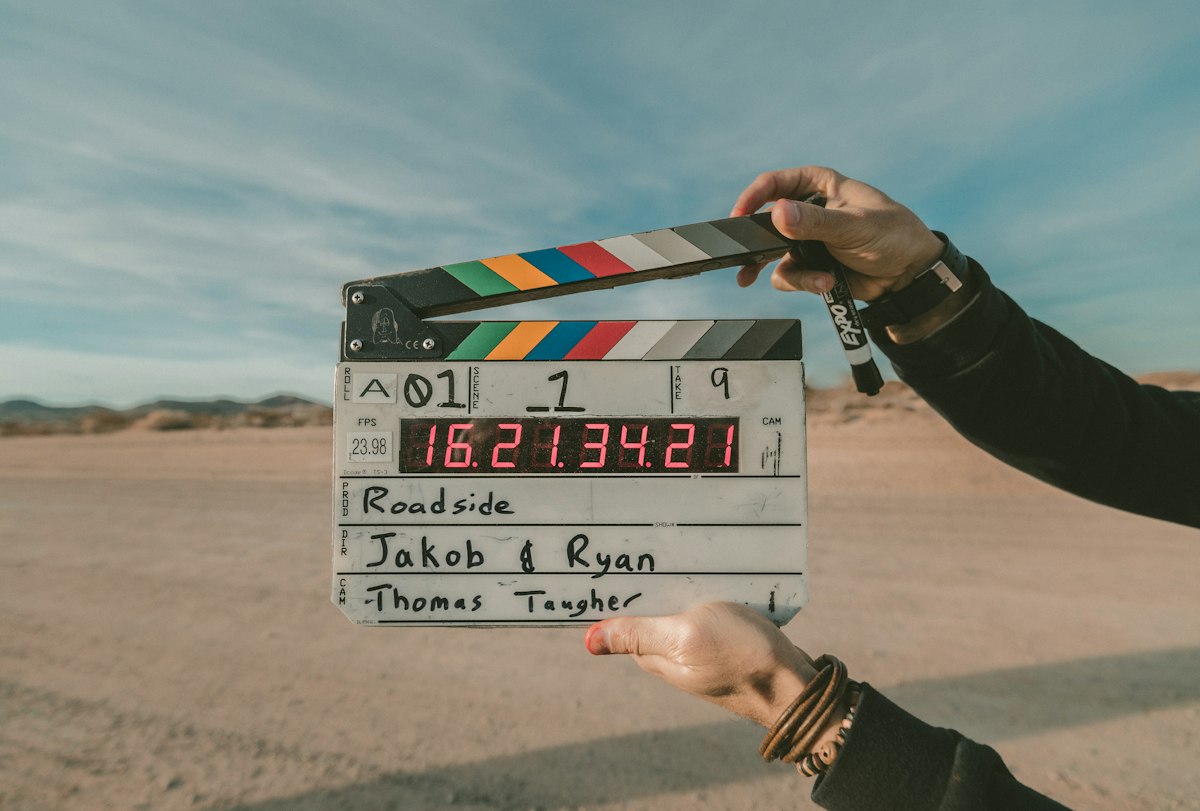
You've decided to launch your own TV show—congratulations! You're about to join a select group of business owners who understand the power of branded television. This guide will walk you through every step of the process, from concept to streaming on major platforms.
Step 1: Define Your Show Concept
The foundation of a successful TV show is a clear, compelling concept that serves both your business goals and your audience's needs.
Ask Yourself These Questions:
- What unique expertise do I have? What can you teach that others can't?
- Who is my ideal viewer? Be specific—age, industry, challenges they face
- What format makes sense? Interview show? Tutorial series? Behind-the-scenes?
- What business outcome do I want? Leads? Brand awareness? Sales?
Pro Tip:
The best shows solve real problems for the audience while naturally showcasing your expertise. Don't make it a 30-minute commercial—make it valuable content that happens to position you as the go-to expert.
Step 2: Plan Your Content Strategy
Once you have your concept, it's time to plan your content. Most successful shows launch with 6-12 episodes in their first season.
Episode Structure
For business shows, aim for 20-30 minutes per episode. This is long enough to provide real value but short enough to maintain attention.
Typical Episode Breakdown:
- • Intro (2 min): Hook and preview
- • Main Content (15-20 min): Core teaching or discussion
- • Call-to-Action (3-5 min): Next steps, how to work with you
- • Outro (1 min): Wrap up and preview next episode
Content Calendar
Map out your first season's episodes. Each should build on the previous one while also working as a standalone piece.
Step 3: Production—Two Paths
You have two main options for producing your show:
Option A: DIY Production
If you have some budget and time, you can produce episodes yourself:
- →Camera & Lighting: $2,000-5,000 for basic setup
- →Editing Software: Adobe Premiere or Final Cut Pro
- →Learning Curve: 3-6 months to get proficient
Option B: Professional Production (Recommended)
Work with a studio that handles everything:
- Professional filming, lighting, and audio
- Expert editing and post-production
- Distribution to major platforms
- Focus on content, not technical details
Reality Check: Most business owners who try DIY production either give up after 2-3 episodes or end up with content that looks unprofessional. Your time is better spent running your business and being on camera—let professionals handle the rest.
Step 4: Distribution Strategy
Getting your show on streaming platforms used to require connections and expensive distribution deals. Not anymore.
Major Platforms to Target
Roku
70M+ active households in the US. Essential for reaching mainstream audiences.
Amazon FireTV
80M+ users. Built-in Amazon integration for commerce opportunities.
Apple TV
Premium audience with high purchasing power. Great for B2B shows.
Samsung TV Plus
Pre-installed on millions of smart TVs. Zero friction for viewers.
The Accelerator Approach
Rather than trying to pitch each platform individually, use an accelerator program that has existing relationships:
- 1.Launch your show on the accelerator's platform (like Black On Demand)
- 2.Build audience and prove traction
- 3.Qualify for distribution to major platforms based on performance
Step 5: Monetization & Growth
Your show makes money in three main ways:
1. Direct Business Generation
Use QR codes and CTAs to drive viewers to your services, products, or booking pages. This is where most business owners see immediate ROI.
2. Sponsorships
Once you have consistent viewership, relevant brands will pay to sponsor episodes or segments.
3. Platform Revenue Share
Major platforms pay based on viewing time. Popular shows can generate thousands per month in passive income.
Timeline: What to Expect
Realistic Timeline for Launch:
- Week 1-2:Concept development and planning
- Week 3-6:Film first 6-8 episodes
- Week 7-10:Post-production and distribution setup
- Week 11:Your show goes live!
Common Mistakes to Avoid
- ✗Making it all about you. Focus on providing value to viewers, not just promoting yourself.
- ✗Inconsistent release schedule. Commit to regular episodes—monthly at minimum.
- ✗Poor audio quality. People will forgive mediocre video, but bad audio kills engagement.
- ✗No clear CTA. Always tell viewers exactly what to do next—visit your site, book a call, etc.
Your Next Steps
Launching a TV show might seem overwhelming, but thousands of business owners have successfully done it. The key is to start with professional support rather than trying to figure everything out yourself.
Book a strategy call with a studio that specializes in business TV shows. They'll help you refine your concept, handle all production, and get you distributed to major platforms—while you focus on what you do best: running your business and sharing your expertise.
2026 is the year to launch your show. Will you be ahead of the curve or watching your competitors dominate?